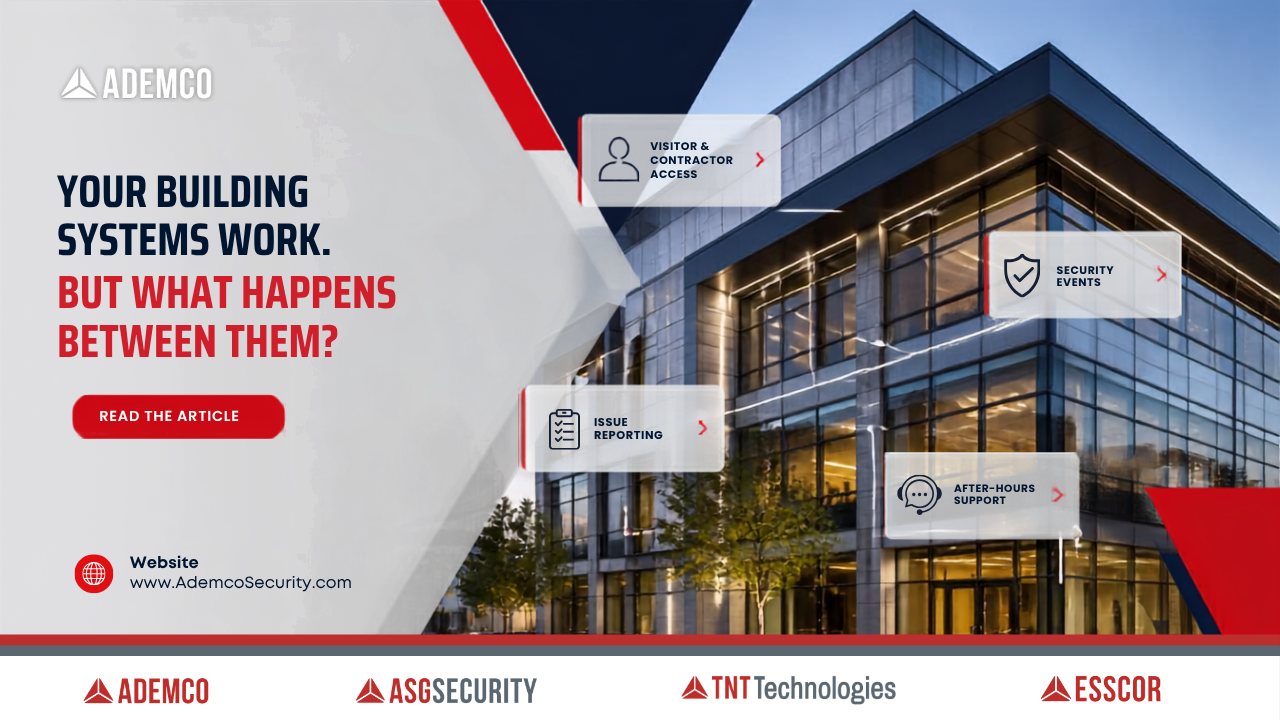
The hidden inefficiencies in modern building operations often sit in the handoffs between systems, people, and processes.
Even a Well-Run Building Can Carry Hidden Inefficiencies
Commercial buildings may already have access control, CCTV, visitor management, and other systems working as intended. Yet operational effort can still build up around how these systems, people, and processes work together.
The issue is not always within the systems themselves. Often, it sits in the handoffs between them.
Where Do Hidden Inefficiencies in Building Operations Sit?
An inefficient handoff occurs when information, approval, or responsibility moves between different systems, channels, or people with more effort than necessary.
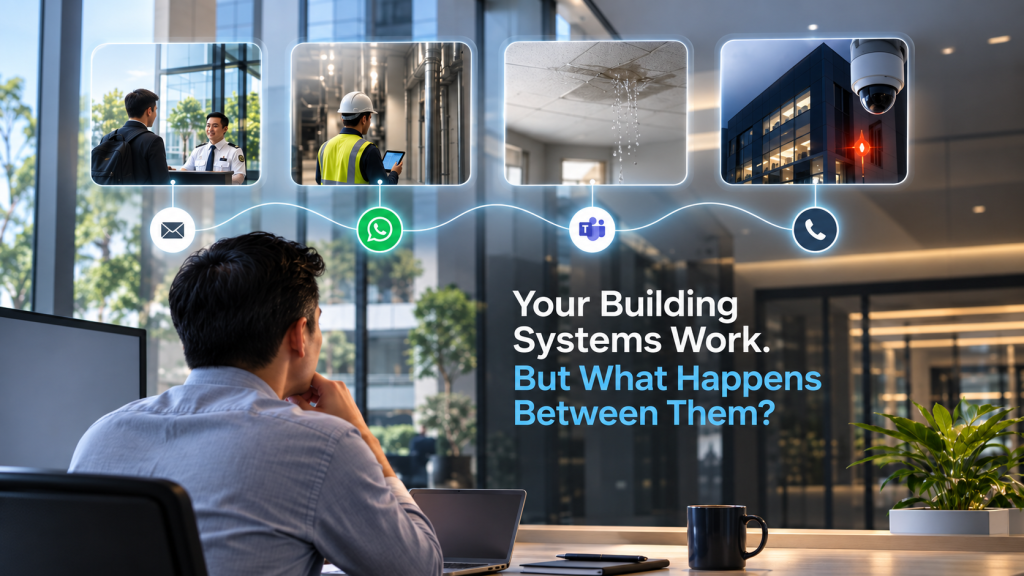
A request may start in email, move through messages or calls, and end up being handled in a separate system. Each step may work on its own, but repeated handoffs can create unnecessary coordination and fragmented workflows.
This is where hidden inefficiencies can accumulate even in an otherwise well-run building.
What Inefficient Handoffs Can Look Like in Practice
Inefficient handoffs can appear across many areas of building operations, from access and visitor management to facility administration, reporting, security, and after-hours support. The following are a few common examples of how they can surface in day-to-day operations.
An unexpected visitor arrives
A visitor turns up without pre-registration. Security checks the visitor’s details, contacts the host, waits for confirmation, arranges access, and records the visit.
The process works—but it may require several people and several steps to complete one routine exception.
A contractor needs after-hours access
A contractor requires access outside normal operating hours. The FM team needs to confirm whether the visit is authorised, check the permitted area and time, inform security, and ensure the access is properly recorded.
The challenge is not simply access control. It is the coordination surrounding the access decision.
VerifSuite Business supports contractor pre-registration, approval, access restricted by approved date, time, and location, and activity records.
A facility issue needs follow-up
A fault or maintenance issue is reported through a phone call, email, or WhatsApp message. Someone forwards it to the right person, another person follows up, and the FM team later checks whether the issue has actually been resolved.
When updates sit across different channels, maintaining clear ownership and status becomes harder than it needs to be.
Structured fault-reporting workflows can instead provide a defined path from reporting through status tracking and follow-up.
An alarm occurs after hours
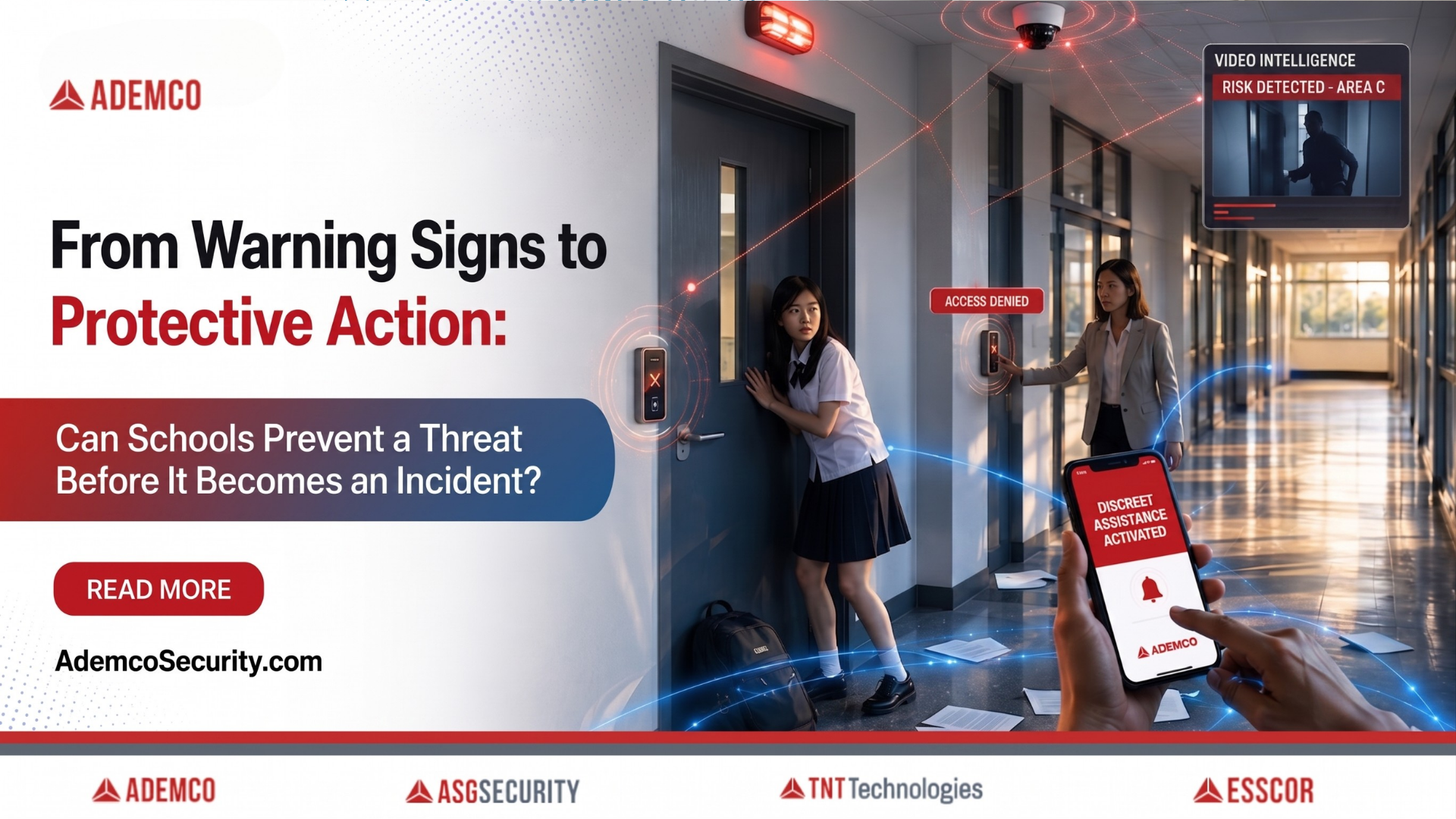
An alarm occurs at night. Someone still needs to determine what the event means, what procedure should be followed, and who should be contacted.
For many FM teams, that can mean another after-hours interruption—even when the event ultimately requires no physical intervention.
Individually, none of these examples are particularly significant. Repeated across days, buildings and teams, however, they become a substantial operational workload.
Why Lean Facility Management Teams Feel It First
A small FM team may be responsible for a large office building, a mixed development or several properties.
Their workload does not grow only with floor area or occupancy. It also grows with the number of requests, exceptions, approvals, and follow-ups requiring human coordination.
Over time, the FM team can become the human integration layer for the building.
The answer is not to remove people from building operations. Human judgement remains essential.
The better question is whether skilled facility managers are spending their time where that judgement provides the greatest value or repeatedly connecting processes that could be handled more efficiently.
Not Every Building Task Needs the Same Operating Model
Building operational efficiency improves when different tasks are handled according to what they actually require.
Predictable and repeatable activities can often be structured or automated.
Events requiring attention but not necessarily physical presence may be supported remotely.
Situations requiring judgement or physical intervention should still involve the appropriate onsite personnel.
This is not about automating everything. It is about reducing unnecessary handoffs and using technology, remote services and onsite manpower more deliberately.
That principle closely reflects VerifSuite Business‘s operating model of integrated platform capabilities, managed services, and manpower support.
Connecting Building Operations with VerifSuite Business
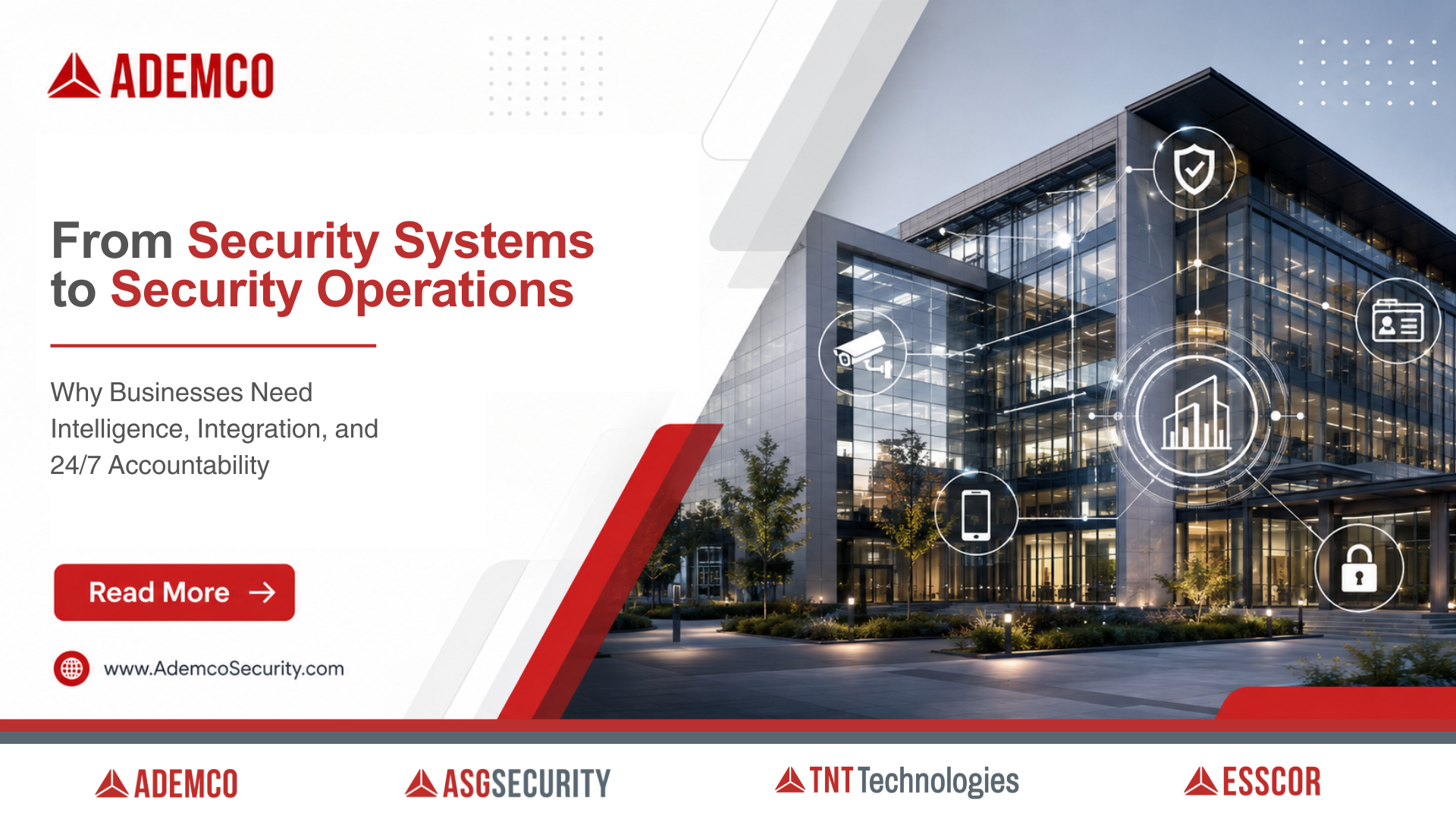
VerifSuite Business brings access, visitor, contractor, facility, and site activities into a more connected environment, helping facility teams structure routine workflows and improve day-to-day visibility.
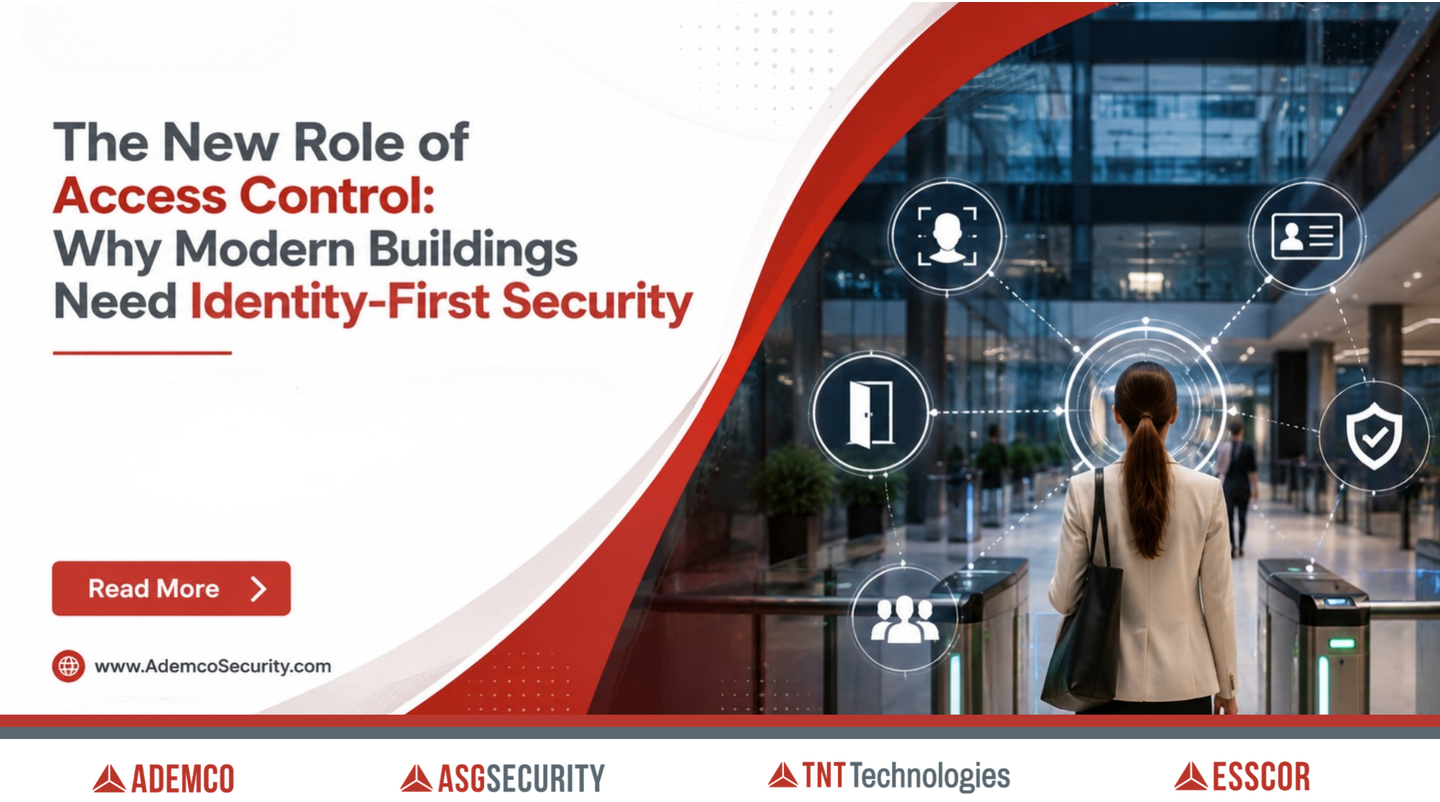
For access management, authorised users can be supported through methods including facial recognition, QR code, Bluetooth, IC card, PIN, LPR, and remote unlock where permitted.
For visitors and contractors, registration, approvals, time-bound access and activity records can reduce repeated coordination between occupants, security and facility teams.
For facility operations, digital administration forms and fault-reporting workflows help move requests away from scattered messages and into more structured, trackable processes.
And for teams managing one site or several, a centralised dashboard can provide visibility across access activity, visitor and contractor status, vehicle movement, facility issues and other building activities.
Extending Support Beyond Office Hours with CMCC
Technology can reduce many routine handoffs, but some events still require attention.
Ademco’s Central Monitoring and Command Centre (CMCC) provides an additional operational layer for configured services. The CMCC is continuously available to receive and respond to configured events, with service coverage based on the agreed SLA.
Depending on the service arrangement, this can include alarm monitoring, video verification, predefined escalation workflows, remote assistance for access issues, and after-hours support.
The value is not simply having “24/7 monitoring”. It means every configured after-hours event doesn’t necessarily become the FM team’s first problem.
Where physical intervention is required, the onsite team, response personnel, or relevant authorities can take over according to the agreed procedure. The CMCC proposition includes monitoring and predefined response protocols as part of Ademco’s managed services offering.
Look Beyond Purchase Price to Total Ownership Cost
Building efficiency should also be considered through the lens of total ownership cost.
The cost of a building system is not limited to what was paid to install it. There is also the operational effort surrounding it, ongoing maintenance and support, repairs, replacement, upgrades, and the manpower needed to keep disconnected workflows functioning.
VerifSuite Business uses a pay-as-you-use model positioned around lower upfront commitment, planned recurring support, lifecycle management, and clearer year-by-year budgeting.
The broader point is simple: when evaluating building efficiency, look at the whole operating and ownership model, not only individual system purchase prices.
Look at the Spaces Between Your Systems
A building does not need to be poorly managed to contain operational inefficiencies.
Often, they accumulate quietly in approvals, phone calls, messages, checks, exceptions, and follow-ups between otherwise functional systems.
For lean facility management teams, reducing inefficient handoffs can improve visibility, simplify building operations, and make it easier to manage one large property or an entire portfolio.
Review Your Building Workflows with Ademco
Review how your access, visitor, contractor, facility, and after-hours workflows are currently managed, and identify where better coordination, automation, or managed services could improve operational efficiency.